
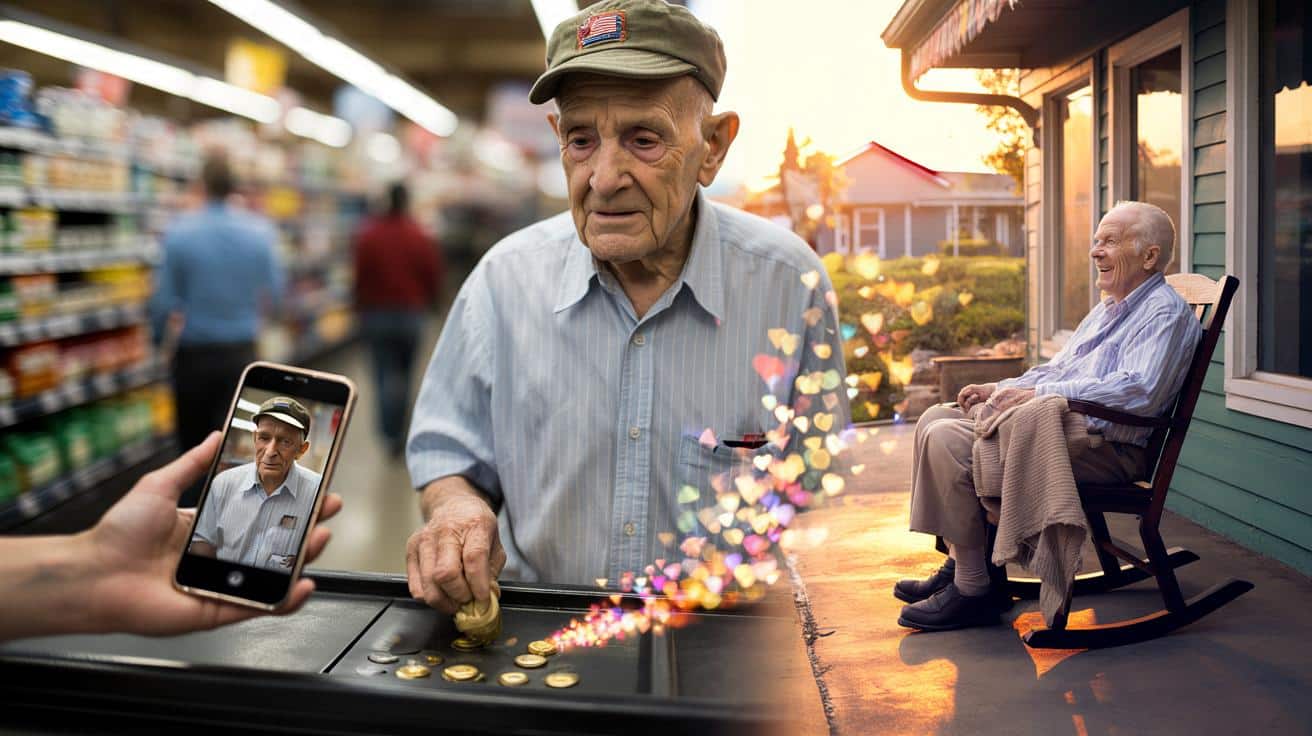
Yet that’s where a passer-by found him: an 88-year-old veteran in a pressed shirt, polite, steady, still working a long shift because the bills don’t stop. A short clip. A caption. Then a link to a crowdfunding page. The internet did what it does on its best days — it cared, quickly and at scale. Donations flooded in, the counter jumped like a heart rate. Not everyone has a safety net. Not everyone gets to rest. And here came a million reasons why that should change.
It was a cold Tuesday when I first saw the video, squeezed between a train timetable and a half-done to-do list. The veteran’s hands were clean, a little tremor on the coins, a smile that said thank you without asking for anything at all. *He didn’t look like a headline, just someone doing his shift.* The post said he was 88, a military veteran, and still working to cover rent and medicine. A few hours later the total had cleared $200,000. By nightfall it crossed half a million. Then the number rolled, relentless and bright. A million dollars for one man’s rest. The graph looked like hope. Then things went wild.
When a checkout becomes a stage
What caught people was the ordinariness of it. Not a grand speech, just a routine that shouldn’t be routine at that age. You could see your neighbour in him, your dad, your future self. **A million dollars arrived faster than a pension ever could.** The crowd moved with one mind, a kind of digital reflex that turns a moment into a mission. We think we live alone until a link proves otherwise.
The pattern is familiar to anyone who’s watched these arcs. A short clip lands, it travels, and strangers start acting like extended family. We’ve seen it with delivery drivers, school caretakers, shop greeters. No policy paper, no committee. Just a clear need and a button that says “give”. Roughly one in five Americans over 65 still works, often because the maths gets tight. Prices climb. Energy bills bite. Small pensions shrink in real terms. Then a phone buzzes and a man born before colour TV finds himself trending.
The speed matters, but so does the simplicity. Crowdfunding offers a clean story: here is a person, here is a goal, here is the difference you made. That sense of direct impact is gasoline. It answers a modern ache — to see a tangible result, fast. There’s also the shadow side. Viral attention can fade as quickly as it arrives, and big sums come with strings like taxes, planning and all the quiet admin of a life. The miracle is the money; the work is turning it into time.
Turning one million into a real retirement
Start by slowing down. The right first move is structure: create a trust or dedicated account with a fiduciary adviser who’s legally bound to put the veteran first. Ring-fence the funds, map the essentials, build a monthly draw. Think rent and utilities, medications, transport, food. Add a cushion for surprises, because there will be some. A clear budget turns a surge of generosity into calm, predictable days.
Healthcare comes next. A private plan can swallow thousands a year, even with public coverage. The goal isn’t to chase the market, it’s to buy stability. Ladder cash for the first two to three years of expenses, park the rest across low-cost index funds and safe income products. Keep updates flowing to donors — short notes, small wins, the odd photo. Let the people who gave see the point of it landing in real life. Soyons honnêtes : personne ne fait vraiment ça tous les jours. Let’s be honest: nobody really does that every day.
There’s a human layer to stewarding viral money. Scammers call. Strangers pitch ideas. Loved ones worry about pride and boundaries. A small circle — one family member, one lawyer, one adviser — can filter the noise and keep the veteran’s voice at the centre. **Giving is simple; structuring care is the hard part.**
“Nobody should have to work at eighty-eight to keep the lights on. If we can give a man his evenings back, that’s a good day for all of us.”
- Set up a revocable trust with clear disbursement rules and a named successor trustee.
- Cover essentials first: housing, healthcare, food, transport, and a contingency fund.
- Automate a monthly income stream to avoid lifestyle whiplash and predatory pitches.
- Keep at least two years of expenses in cash-like instruments for peace of mind.
- Share brief updates with donors to maintain transparency without invading privacy.
What this says about us
We’ve all had that moment where we catch our reflection and see someone older looking back. That’s why this hit. A million dollars doesn’t fix a system, but it does change one life in a way you can point to. **This is what the internet does best: it moves like water around the rocks.** It finds the gap, flows through, carries someone a little further down the river. It also asks a quiet question of the rest of us. How do we make fewer moments where luck has to do the heavy lifting?
| Key Point | Details | Interest for the reader |
|---|---|---|
| The spark | A short video of an 88-year-old veteran at work triggered a fast, viral response that passed $1M. | Shows how empathy plus a simple link can snowball into real money. |
| From windfall to plan | Trust-based management, healthcare priority, cash buffer, low-cost investing, transparent updates. | Concrete steps to turn donations into actual rest and security. |
| The bigger picture | Ageing workers, thin pensions, rising costs — and a crowd that sometimes fills the gap. | Invites readers to reflect on policy, community, and their own giving. |
FAQ :
- Who organised the campaign?A local supporter posted the initial clip and set up the crowdfunding page; the effort grew as media coverage and social sharing amplified visibility.
- Is $1M really enough to retire at 88?In many cases, yes — if it’s structured. With modest housing, a healthcare plan, and a steady draw, it can provide comfort and time, not extravagance.
- What about taxes and platform fees?Donations typically count as personal gifts to the beneficiary. Tax treatment varies by jurisdiction; a fiduciary or tax adviser should structure transfers and filings correctly.
- How do donors know the money is safe?Best practice is a trust or managed account, regular updates, and an independent fiduciary. Clear documentation calms nerves and deters opportunists.
- Could this happen in the UK?Yes. British campaigns on similar platforms have funded care, mobility aids and housing. The legal wrapper differs, but the instinct to rally is the same.
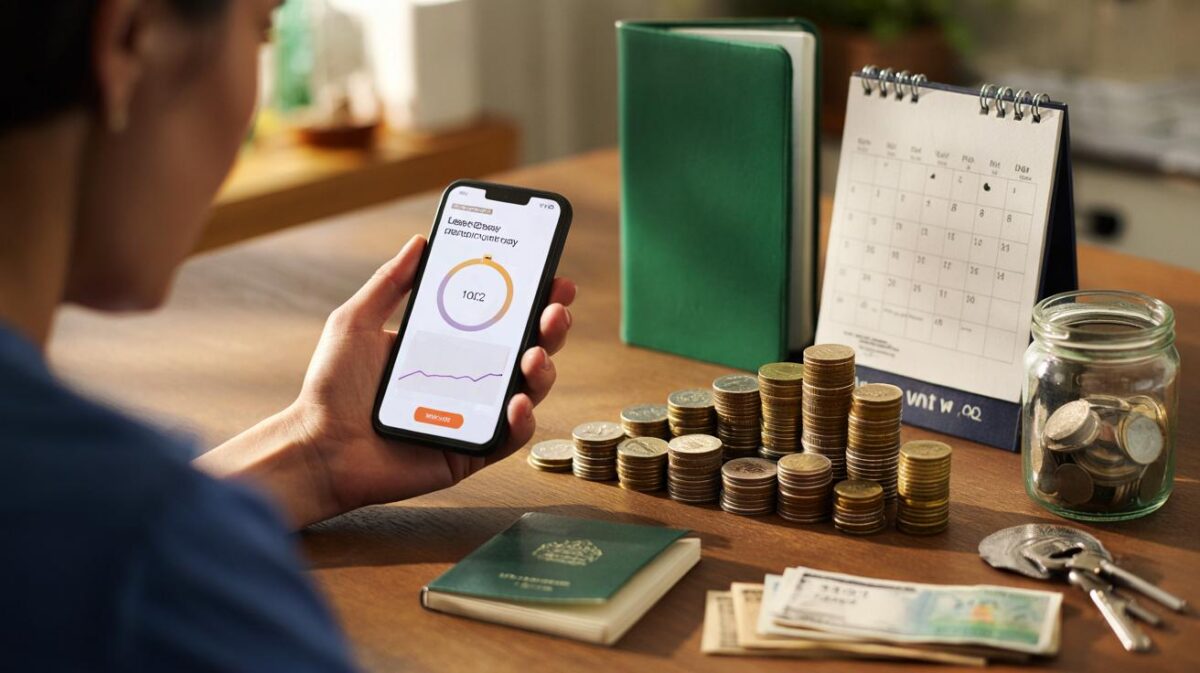







This made my day — proof the internet can still be kind. I hope a fiduciary sets up a clean plan so he can breathe, budget, and rest. Please share updates; it’s inspiring to see generosity turn into time.